Guangzhou’s Old Temples:
Which Are Worth Your Morning?
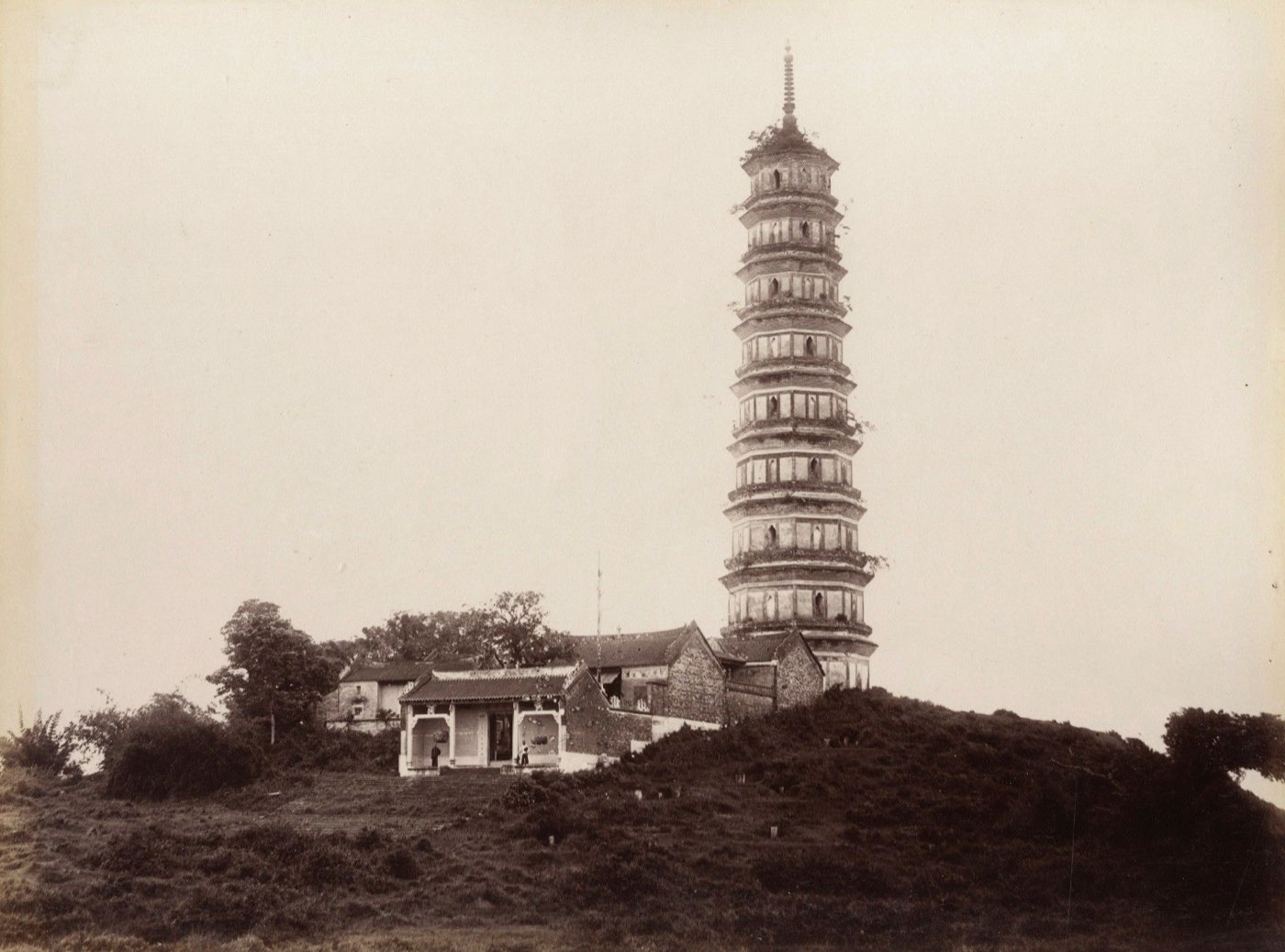
Three of the oldest religious sites in south China sit within fifteen minutes' walk in old Yuexiu. The honest ranking: Guangxiao Temple (~¥5) is the best visit — Guangzhou's oldest and largest, tied to Huineng, the Sixth Patriarch of Chan (Zen), and reviewers consistently rate it above its famous neighbour precisely because it is less commercialised. The Temple of the Six Banyan Trees (¥5, +¥10 to climb) is the postcard — the 57.6m Flower Pagoda looks nine storeys and hides seventeen — but it is busier and more transactional. The Huaisheng Mosque, traditionally founded 627 AD and among the oldest mosques on earth, is a walk-past, not a visit: non-Muslim access is generally limited to the courtyard.
The three, side by side
| Site | Price | Founded | The draw | Verdict |
|---|---|---|---|---|
| Guangxiao 光孝寺 | ~¥5 (verify at gate) | 4th c. site; temple pre-537 | Huineng's ordination site, the Hair Burial Pagoda, two 10th-century Southern Han iron pagodas, and monks actually using the place. Trip.com 4.7/5 (414). | WORTH IT |
| Six Banyan Trees 六榕寺 | ¥5 temple · ¥10 pagoda | 537 AD | The Flower Pagoda — 57.6m, nine storeys outside, seventeen levels inside. Renamed by the Song poet Su Dongpo. Busy, incense-commercial, still photogenic. | DEPENDS |
| Huaisheng Mosque 怀圣寺 | Free courtyard | traditionally 627 AD | Claimed among the world's oldest mosques, its Guangta minaret doubling as a Maritime Silk Road lighthouse. Access restricted outside prayer — see it from the street. | DEPENDS |
All prices as published or reported August 2026; Guangxiao's gate price is the one figure sources leave fuzzy, so carry small notes. The three sit on a 1.2km line between Ximenkou and Gongyuanqian stations on Line 1.
Zen left for Japan from this postcode
Guangxiao is where Huineng — the illiterate woodcutter who became the Sixth Patriarch and the pivotal figure of Chan Buddhism — was publicly ordained in 676 AD after years in hiding; his hair is said to be buried under the temple's pagoda. Since Chan became Zen in Japan and Seon in Korea, this quiet compound is upstream of a fair fraction of East Asian religious history, and it wears that weight lightly: old trees, sutra chanting, no queue.
The mosque a few blocks east tells the other half of the story: Islam arrived here by sea in the earliest decades of the faith, brought by the same trade that made Canton rich, and the halal quarter around Xiaobei today is the direct descendant of that thirteen-century-old community.
The temple walk, practically
Questions people actually search
Is the Temple of the Six Banyan Trees worth visiting?
Yes if you are already in the old city — the Flower Pagoda is genuinely strange and lovely — but if you only have energy for one temple, walk ten minutes further to Guangxiao, which is older, calmer and consistently better reviewed. The ¥10 pagoda climb is worth it only on a clear day.
Can non-Muslims visit the Huaisheng Mosque?
Usually only the courtyard, and often not even that outside prayer times. Treat it as a five-minute walk-past for the Guangta minaret — a smooth grey cylinder that served medieval Canton as both minaret and lighthouse — rather than a destination, and you will not be disappointed.
What is Guangxiao Temple famous for?
Being older than the city's own proverb — 'first Guangxiao, then Guangzhou' — and for Huineng, the Sixth Patriarch of Chan Buddhism, ordained here in 676 AD. It also keeps two iron pagodas from the 10th-century Southern Han kingdom, the oldest of their kind surviving in China.
How much do Guangzhou's temples cost?
Almost nothing: Guangxiao about ¥5, Six Banyans ¥5 plus ¥10 for the pagoda, the mosque courtyard free. The whole three-site morning costs less than a coffee, which is the recurring Guangzhou pattern — the city's best heritage is its cheapest.